


Rethinking the UX Paradigm Amidst the Controversy of Pre-Described Solutions
Are you feeling like someone is handing out a pre-baked solution for you to design? You don’t have room to explore and solve problems? After all UX Design is Problem Solving right?
In the realm of design, grappling with this challenge is par for the course. Stakeholders frequently draw from their experiences, having observed other companies resolve similar issues in specific ways.
The persistent question arises: why can’t we simply adopt THAT solution? What necessitates the extensive research and design iterations to arrive at our unique solution?

This is what I truly believe: The complexity of design challenges often demands a nuanced approach.
While it may seem tempting to replicate what has proven successful elsewhere, the intricacies of each problem and the unique context of a project necessitate a thorough exploration. Research and a systematic process not only help avoid blind emulation but also ensure a tailored solution that aligns with the specific needs and objectives of the project at hand.
Decoding Frustration Point One — Bridging the Gap Between Creative Freedom and Competitive Conformity
In various instances, I’ve found myself advocating against stakeholders’ preconceived solutions, opting instead to buy valuable time for my team to engage in thoughtful and innovative design processes. I aim to ensure our approach is strategic and well-crafted rather than hastily conforming to predetermined solutions.
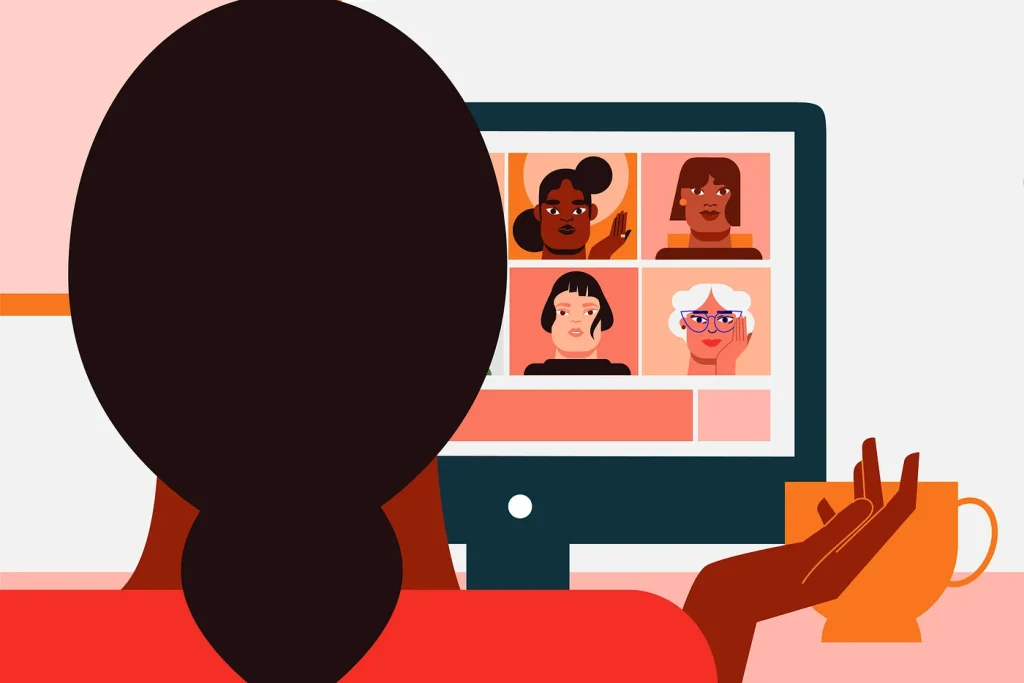
Firstly, I articulate my perspective by sharing concrete examples that elucidate why the observed solution may not be optimal for our unique circumstances. This not only establishes a foundation for critical analysis but also serves as a basis for informed decision-making.
Following this, I delve into a detailed exploration of what distinguishes our context and user base from others. By identifying key differences, I emphasize the necessity for a bespoke solution that addresses our specific needs and resonates with our users. This step serves to highlight the importance of considering our distinct environment in the design process.
To bring about cohesion and consensus within the team, I actively work towards gaining alignment. I advocate for the time required to explore and develop our solution, emphasizing the value of this deliberate approach so my team has the necessary time to ideate and drive.
By fostering understanding and commitment among team members, we create a collaborative environment that enables us to embark on a journey of exploration, innovation, and ultimately, the development of a solution uniquely tailored to our objectives.
The tension arises for designers when there’s a misalignment with product counterparts who, despite their clear vision of the desired solution, grow impatient with the time UX and Research take to meticulously define it.
The challenge is exemplified by the perception of the “research problem,” where the week-long process of gathering and iterating upon feedback can be viewed as an obstacle by stakeholders rather than a valuable part of the overall development process.
While it’s not universally true that research is undervalued, on certain high-priority fast-paste projects, there is a recurring pattern of stakeholders seeking ways to bypass research and expedite development.
My approach is to shift the responsibility back to them. If they’re okay with the prospect of potential errors and investing more time later on for adjustments, I’m willing to step back and not involve my team at that stage. However, I won’t compromise on maintaining a high standard for the overall user experience.
I typically advocate for a beta approach, suggesting that if time constraints prevent upfront research, we can learn and iterate as we launch the experience with a small group.
In navigating the challenge of receiving pre-baked solutions despite taking proactive steps, the key lies in adopting a strategic approach that aligns with user needs and enhances the overall experience. It’s crucial to discern the potential benefits for users even when skeptical about the provided direction.
Embracing a mindset that focuses on maximizing positive outcomes for the user experience, even within predefined parameters, can be a powerful strategy.
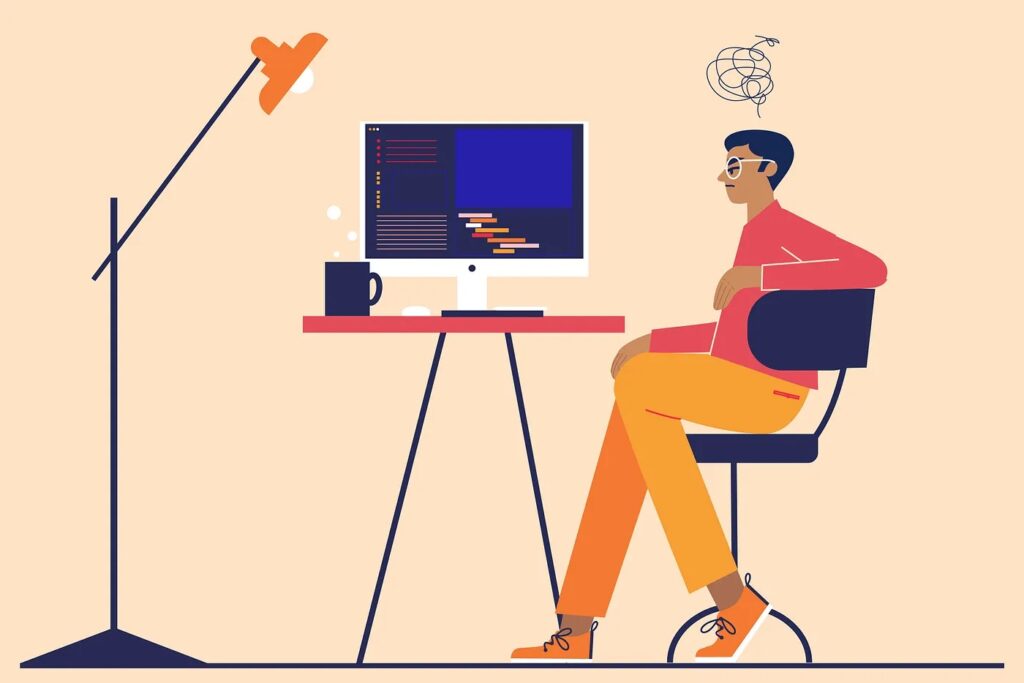
To prevent a recurrence of this situation, reflection becomes paramount. Designers should contemplate what they would do differently to influence a different outcome in future scenarios. This introspection can lead to the development of strategies that ensure a more inclusive and collaborative process, allowing for a greater impact on the design and development phases.
The frustration designers often feel about not being included or consulted early in the process is a prevalent challenge. Even when presented with a compelling idea, the perceived exclusion can lead to dissatisfaction among designers who cherish their creative processes and problem-solving abilities. Recognizing the sensitivity of designers and providing them the necessary space to contribute can significantly enhance their impact on the project.
Conversely, my advice is to introspect and question your level of trust in your leadership. Joining forces with leaders becomes more effective when there is a genuine belief in their competence and understanding of the project’s direction.
However, if doubts persist about the proposed solutions, it is incumbent upon designers to articulate their perspectives persuasively. Making a compelling case for alternative approaches ensures that designers actively contribute to driving the change they envision, fostering a collaborative and impactful work environment.
In conclusion, it’s essential to acknowledge that challenges like the ones discussed are inherent in the dynamic landscape of product development, where competitors continuously introduce new features.
The temptation to emulate others might be strong, but succumbing to it would negate the need for critical thinking and innovation, reducing us to mere imitators.
As designers, the key is to carve out our space, leveraging our unique skills and perspectives. The role of a designer is not to merely replicate but to bring valuable, original contributions to the table.
Resisting the urge to be a copycat is crucial. Instead, embrace the distinct purpose for which you were hired — to be a critical thinker and a value-driven contributor. It’s imperative not to compromise your position by becoming a passive agreement-seeker due to perceived weakness. Stand firm in your role, as your unique insights and skills are integral to the success of the project.

Remember, your growth as a designer comes from standing up for your convictions and beliefs.
Embrace the challenges, learn from them, and use them as opportunities to evolve. Each instance of asserting yourself contributes not only to your professional development but also to the overall creativity and success of the projects you undertake.
Have you faced comparable challenges, and if so, what strategies have you employed to navigate and overcome them in your unique experiences? Your insights and perspectives as a reader are valued, and I’d love to hear how you’ve tackled such situations.


